

Insurers should combine AI, governance and live data to manage evolving haze, flood and climate-related risks, one insurance insider tells DigifinAsia
Insurers in South-east Asia are under growing pressure to supplement historical loss records with near-real-time data as recurrent haze and severe flooding expose gaps in conventional coverage, an insurance technology executive has said.
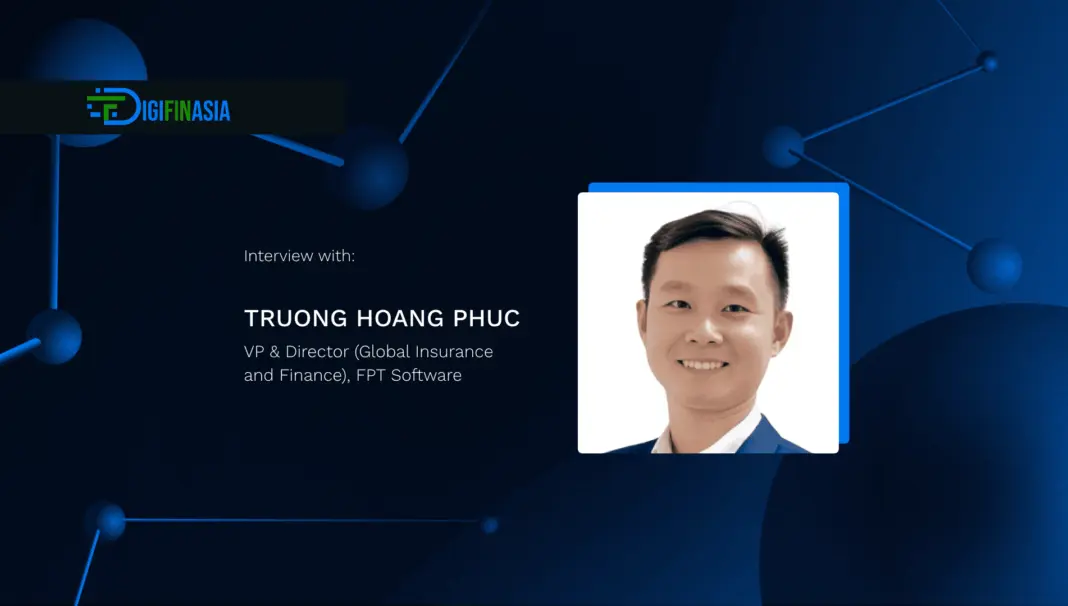
Truong Hoang Phuc, Vice President and Director (Global Insurance and Finance), FPT Software, has told CybersecAsia that said climate risks are becoming more dynamic and interconnected, making past claims data alone insufficient for underwriting and exposure management: “Insurers now need to understand not only what has happened, but how exposure is changing in real time. The value of AI depends on whether insurers can connect, govern and continuously update the data behind it,” he opined.
His comments follow a severe 2026 transboundary haze episode that has affected Singapore, Malaysia and the Philippines, prompting school closures in parts of Malaysia. In Bangkok, authorities had declared the capital a disaster-affected zone in late September after intense flooding.
Combining AI, data and governance effectively
The events have highlighted a structural weakness: traditional property policies often require physical damage, while haze can impose substantial economic and health-related costs without damaging insured assets:
- In Singapore’s two most severe haze episodes in 1997–98 and 2015, had caused about US$1.3bn in economic losses, according to some estimates. There, parametric products offer one response: they pay out pre-agreed amounts when the country’s National Environment Agency’s Pollutant Standards Index crosses defined thresholds, rather than requiring loss investigations or physical-damage assessments.
- In Thailand, the government has also moved toward pre-arranged protection. The government-funded Disaster Insurance for the People program began on 1 October 2026, covering about 30m households against floods, windstorms and earthquakes. The 15.5bn baht scheme provides up to 100,000 baht for residential damage per incident, along with 2m baht in accident-related death coverage. However, the program does not cover household contents or movable property, leaving room for private insurance. It also relies on damage assessment rather than an automatic index-based payout.
Phuc said insurers need to combine satellite observations, weather forecasts, air-quality readings, geospatial analytics, connected sensors and claims history into a continuously updated view of risk. Such data could support earlier customer warnings, more precise parametric triggers and faster claims handling. However, he cautioned that technology alone will not solve the problem. “A flood or haze model is only as good as the data feeding it,” he said.
Consequently, Phuc believes, insurers should treat data governance, model monitoring and human oversight as core business capabilities, not compliance exercises. “Those that can combine AI, data and governance effectively will be better positioned to anticipate change rather than simply react to it,” he said.
Independent industry observers have similarly emphasised the need for reliable, timely exposure and loss data to improve climate-risk modelling across the region.